Neutronics
Reactor physics analysis — how populations of neutrons are born, wander, and do interesting things. The physics behind the power.
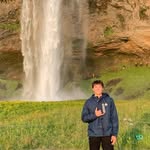 Will Madsen
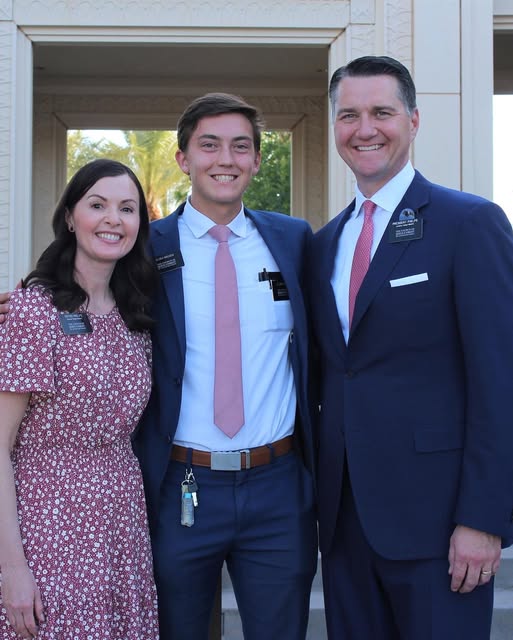
Idaho → Arizona Tempe Mission → BYU
Chemical engineer in training, nuclear at heart.
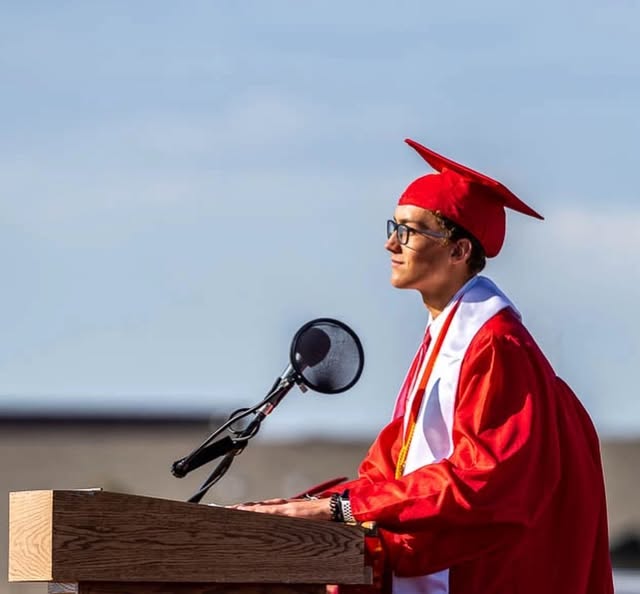
Senior in Chemical Engineering at Brigham Young University with an emphasis in Nuclear Engineering — graduating April 2027, then straight into a PhD in Nuclear Engineering in Fall 2027.
“I always get to where I’m going by walking away from where I’ve been.” — Winnie the Pooh (per the family motto)
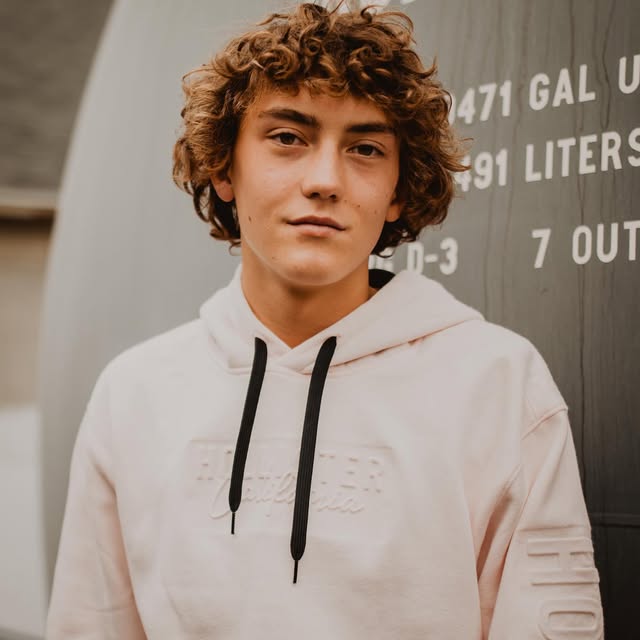
Hi — I’m Will. I grew up in Idaho, spent a couple of years serving a mission in Arizona, and landed at BYU, where I’ve been collecting degrees and data sets ever since.
My academic home is Chemical Engineering, but my emphasis — and my actual favorite thing — is Nuclear Engineering: neutronics, Monte Carlo transport, and the satisfying work of verifying and benchmarking simulation codes until the numbers behave.
As a research assistant at BYU I’ve juggled multiple RA roles at once (a good exercise in prioritization), and I spent a summer at Studsvik Scandpower putting classroom theory to work on real reactor-simulation problems.
After I graduate in April 2027, I’m staying in academia — starting my PhD in Nuclear Engineering in Fall 2027. If you like talk of criticality, cross-sections, or why a code that’s almost converged is still wrong, we’ll get along.
The route so far — Idaho to Provo, pool deck to reactor physics.
Finishing a B.S. in Chemical Engineering with a Nuclear Engineering emphasis (graduating April 2027), continuing research, and prepping for a PhD in Nuclear Engineering beginning Fall 2027.
Multiple concurrent RA positions in the nuclear space: neutronics analysis, Monte Carlo simulation, verification & benchmarking, and code development.
Summer internship applying reactor-simulation and nuclear-analysis tools to real-world industry problems.
Taught weekly religion classes at the Institute of Religion — a semester of lesson planning, public speaking, and faith-stretching alongside engineering labs.
Served a two-year mission for The Church of Jesus Christ of Latter-day Saints — the middle stop on the ID → ATM → BYU trail.
Ran the guard stand at an indoor water park: safety leadership, team scheduling, and keeping thousands of guests un-drowning.
What I actually do when the simulation is compiling.
Reactor physics analysis — how populations of neutrons are born, wander, and do interesting things. The physics behind the power.
Particle-transport simulation with random sampling: statistically noisy by design, rigorous by practice.
Proving a code is right — comparing against analytic solutions, experiments, and reference results until the deltas make sense.
Writing and maintaining analysis tooling — turning one-off scripts into things a research group can actually trust.
Thermodynamics, transport phenomena, and process thinking — the chem-eng foundation that makes the nuclear stuff make sense.
Concurrent RA roles taught juggling; seminary taught explaining hard things simply. Both show up in every group meeting.
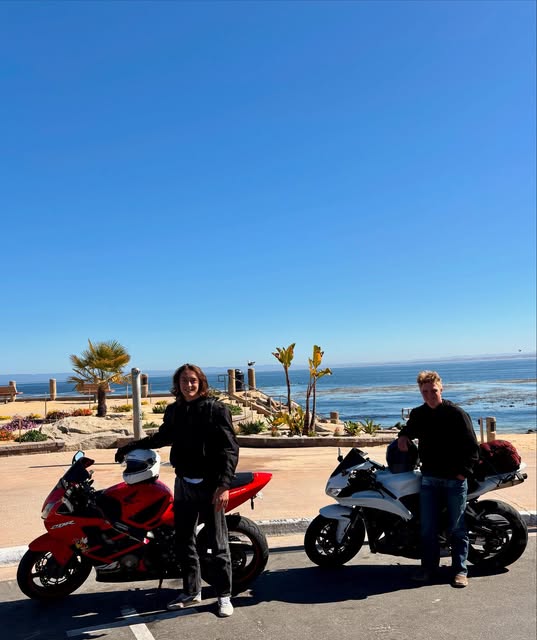
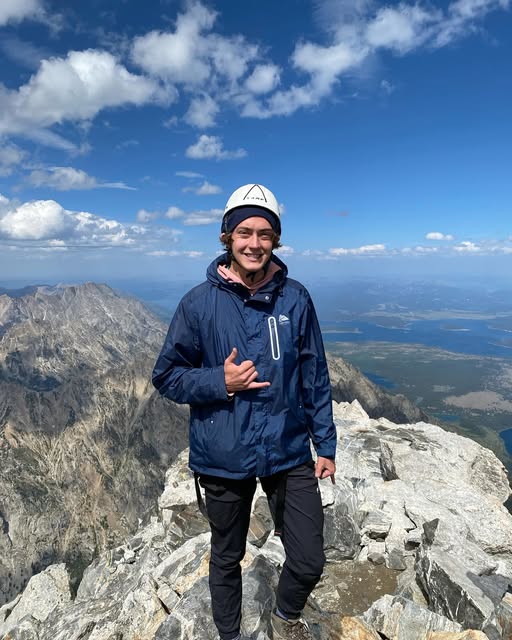
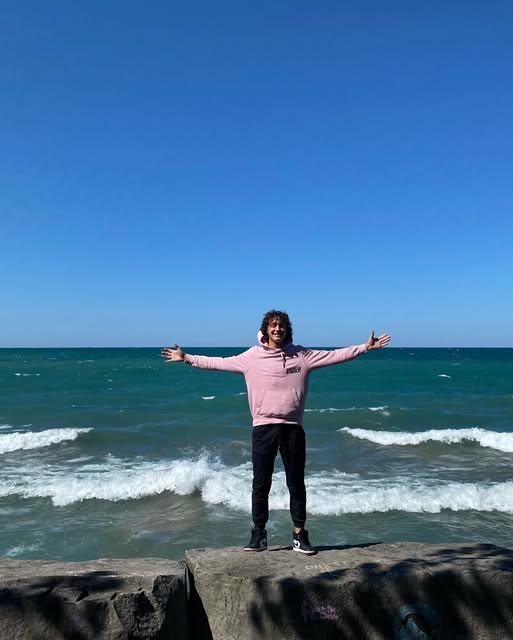
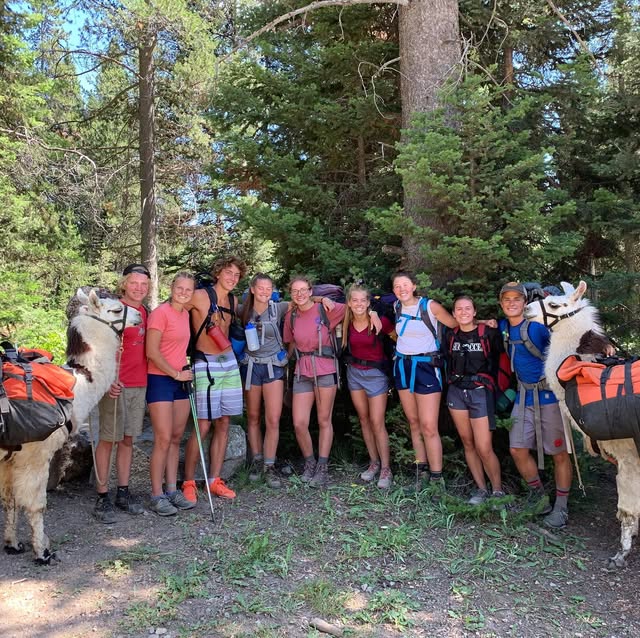
Moments from the trail — pulled from the Instagram. Click to enlarge.
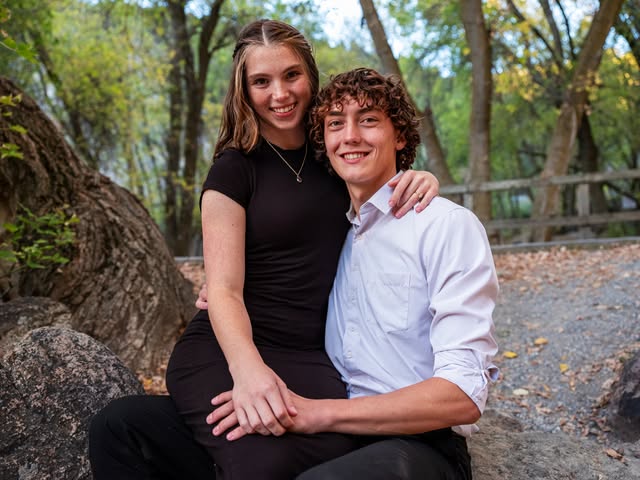
The non-equation side of the résumé: Melissa is the best part of the story — you can see a bit of ours at melissaandwill.
I taught seminary on winter semesters, lifeguarded two summers at an indoor water park, and I’m still the kid from Idaho who’d rather take the scenic walk than the shortcut. (The Pooh quote up top isn’t decoration — it’s a working philosophy.)
When I’m not at a whiteboard, you’ll usually find me outdoors somewhere in Utah, reading something only half-engineering-related, or arguing politely about the best kind of Idaho potato. (Yukon Gold. I will not be taking questions.)
Questions about my research, a handshake about neutron cross-sections, or a potato debate — you know where to find me.